As high school educators, we know that adolescence is a time of great personal growth and discovery, but it’s also a time of self-doubt and insecurity. During these formative years, students are developing their identities, figuring out their strengths and weaknesses, and dealing with pressures from peers, social media, and academic expectations. As Health and PE teachers, we have a unique opportunity to help students build self-esteem, which is crucial for their overall well-being, academic success, and ability to navigate life’s challenges.
In this blog post, we’ll explore 8 practical and impactful ways to build self-esteem in the high school classroom. These strategies not only promote a positive self-image but also create a supportive and inclusive environment where students feel valued, respected, and capable of achieving their goals.
1) Encourage Self-Reflection Through Journaling
One of the most effective ways to help students build self-esteem is by encouraging them to reflect on their personal growth. Writing can be a powerful tool for self-discovery, helping students identify their strengths, achievements, and areas of improvement.
How to do it:
At the start or end of each lesson, give students a few minutes to journal about a positive experience, a goal they achieved, or something they’re proud of. You can prompt them with questions like, “What is one thing you did today that made you feel good about yourself?” or “What is one challenge you overcame recently?”
Why it works:
Journaling encourages students to focus on their successes and personal growth, helping them develop a more positive self-perception. It also allows them to express their feelings in a safe and private way, promoting emotional awareness.
2) Build Self-Esteem by Celebrating Small Wins
In high school, students often focus on large goals and end results. However, building self-esteem is about recognizing and celebrating progress, no matter how small. Acknowledging even the smallest achievements can boost a student’s confidence and sense of self-worth.
How to do it:
Make it a habit to celebrate small successes in your class, whether it’s completing a challenging workout, improving a skill, or showing perseverance in the face of difficulty. Publicly recognize these moments during class, in front of peers, or even through positive notes or emails.
Why it works:
When students see their efforts acknowledged, they feel valued and motivated to keep working hard. Celebrating progress helps them understand that success is a journey, not just a destination.
3) Foster a Growth Mindset to Build Self-Esteem
Students often struggle with self-esteem because they focus on their perceived failures rather than viewing challenges as opportunities to learn and grow. By teaching and reinforcing the concept of a growth mindset, you can help students understand that abilities and intelligence are not fixed but can be developed through effort and practice.
How to do it:
Incorporate growth mindset language into your lessons. For example, when a student struggles with a new skill or exercise, encourage them with statements like, “It’s okay to make mistakes, that’s how we learn,” or “With practice, you’ll improve.” Teach them to view setbacks as part of the learning process rather than a reflection of their worth.
Why it works:
A growth mindset helps students reframe challenges as opportunities to improve, which boosts resilience and helps them maintain a positive self-image even in the face of setbacks.
4) Provide Constructive and Positive Feedback
Feedback is essential for growth, but it’s equally important to ensure that feedback is delivered in a way that builds confidence, not undermines it. Constructive feedback focuses on specific actions or behaviors rather than making generalized statements about a student’s abilities.
How to do it:
When giving feedback, be specific about what the student did well, along with areas for improvement. Instead of saying, “You didn’t do well today,” try, “I noticed you struggled with your form, but your effort and perseverance were excellent. Let’s work on technique next time.” This approach reinforces the student’s strengths and gives them a clear path to improvement.
Why it works:
Positive, constructive feedback fosters a sense of accomplishment and shows students that their efforts are noticed. It also helps them see that improvement is achievable, which builds self-confidence.
5) Create a Safe and Inclusive Environment
Students need to feel safe and accepted in order to thrive and build self-esteem. As a Health and PE teacher, you can create a positive, inclusive classroom environment where every student feels like they belong, regardless of their athletic ability, background, or personal challenges.
How to do it:
Establish a classroom culture of respect, inclusivity, and teamwork. Ensure that students are kind to one another, and encourage group activities where everyone has a role to play. Avoid singling out students who may struggle with physical activities or fitness levels—focus instead on their effort and participation.
Why it works:
When students feel accepted and supported by their peers and teachers, their self-esteem naturally improves. An inclusive environment fosters a sense of belonging, which is essential for personal confidence.
6) Encourage Peer Support and Collaboration
Self-esteem can also be built by encouraging students to support and uplift one another. Peer interactions can have a profound impact on a student’s sense of value and self-worth, especially when they feel recognized and appreciated by others.
How to do it:
Incorporate activities that require collaboration, such as partner exercises or team challenges. Encourage students to provide positive reinforcement to their peers, whether it’s a compliment or a word of encouragement after completing a task. Consider having students work together to set goals and track their progress.
Why it works:
When students provide positive feedback and support to their peers, they not only help others but also experience the joy of contributing to someone else’s success. This fosters a positive classroom atmosphere where everyone feels valued and confident.
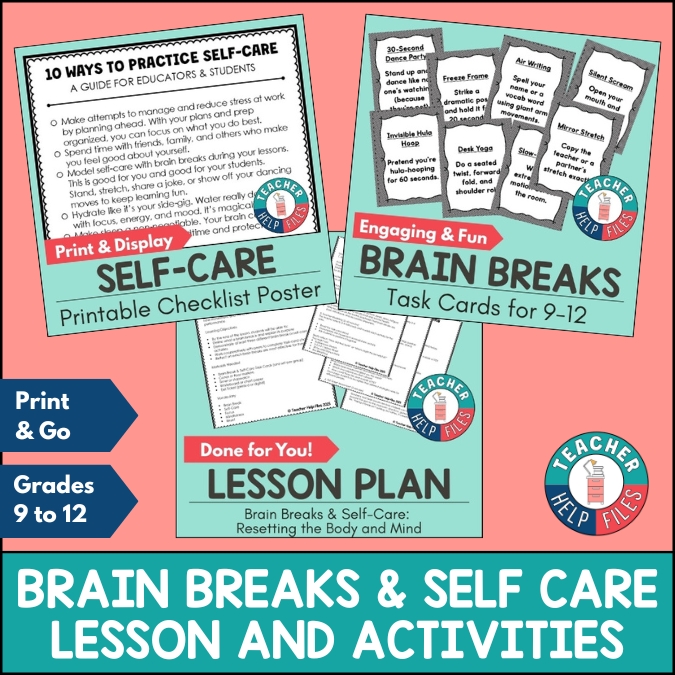
7) Promote Self-Care Practices to Build Self-Esteem
Building self-esteem is closely tied to how students take care of themselves physically, mentally, and emotionally. Encouraging self-care practices like mindfulness, proper nutrition, and rest can help students feel better about themselves and more capable of handling challenges.
How to do it:
Introduce students to mindfulness exercises, such as deep breathing or short meditation sessions, to help them manage stress and improve their mental clarity. Talk about the importance of sleep, balanced nutrition, and exercise as ways to boost both physical and mental health.
Why it works:
Self-care practices teach students to prioritize their well-being, which is a key aspect of building self-esteem. When students take care of their bodies and minds, they feel stronger, more confident, and better equipped to handle life’s challenges.
8) Set Realistic and Achievable Goals
Goal-setting is an essential part of building self-esteem because it provides students with a sense of purpose and direction. Setting and achieving small, realistic goals helps students see their own potential and boosts their confidence in their ability to succeed.
How to do it:
Encourage students to set both short-term and long-term goals related to physical fitness, health, or personal development. Help them break these goals into smaller, manageable steps and track their progress along the way. Celebrate each milestone they achieve.
Why it works:
Achieving goals, no matter how small, reinforces the idea that students are capable of success. This builds their self-esteem by helping them see the tangible results of their efforts and progress.
Conclusion: Building Self-Esteem for Lifelong Success
As Health and PE educators, you have the unique opportunity to shape your students’ self-esteem in powerful and lasting ways. By implementing these 8 strategies, you can create an environment where students feel supported, capable, and confident in themselves. Building self-esteem in the high school classroom isn’t just about helping students feel good in the moment—it’s about empowering them to take on challenges, pursue their dreams, and navigate life’s ups and downs with confidence.
Remember, when students feel good about themselves, they are more likely to succeed both in and out of the classroom. Let’s continue to foster an environment that promotes self-worth and positive self-image, helping our students become the best versions of themselves.