As health educators, one of the most important roles we play is helping students understand the significance of personal wellness and how they can take charge of their physical, mental, and emotional well-being. Teaching high school students how to create and implement wellness plans is a powerful way to guide them toward healthier lifestyles. By developing wellness plans, students learn how to set specific goals, track their progress, and make positive lifestyle changes that last beyond their high school years.
In this blog post, we’ll explore a variety of engaging and interactive activities designed to help you introduce wellness plans to your students. These activities will encourage self-reflection, foster healthy habits, and promote lifelong wellness practices.
Wellness Assessment and Reflection
The first step in creating a wellness plan is understanding where students are starting from. Begin by guiding students through a wellness assessment. This can be a simple questionnaire or a more detailed survey that explores different aspects of their health, including physical activity, nutrition, mental health, and sleep habits.
Activity: Provide students with a wellness self-assessment checklist. Have them rate their current habits and reflect on areas they’d like to improve. Afterward, students can participate in a class discussion or write a reflection paper on which aspects of their wellness need the most attention and why.
Purpose: This activity allows students to become self-aware of their current wellness and gives them a clear starting point for creating personalized wellness plans.
SMART Goal Setting for Wellness
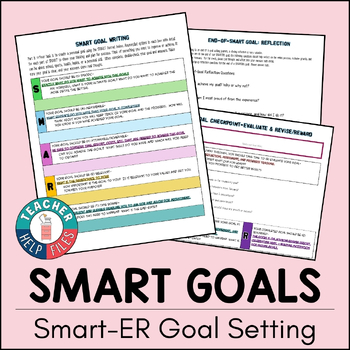
One of the keys to successful wellness planning is setting goals that are specific, measurable, attainable, relevant, and time-bound (SMART). In this activity, students will break down their wellness aspirations into manageable goals that can be tracked and achieved.
Activity: After discussing the SMART goal framework, ask students to choose one aspect of their wellness (e.g., increasing physical activity, improving sleep habits, managing stress) and create one or two SMART goals related to that area. For example, a student might set a goal to “Walk 30 minutes five times a week for the next month” instead of just saying, “Get more exercise.”
Purpose: This activity helps students set concrete, realistic goals and encourages them to think critically about the steps they need to take to improve their wellness.
Wellness Plan Design: Visual Representation
Sometimes, the best way to help students engage with their wellness plan is to allow them to express their goals visually. Visuals can make the idea of wellness more tangible and encourage creativity in their planning.
Activity: Ask students to create a wellness vision board or infographic that outlines their wellness goals, strategies, and timelines. They can include pictures, quotes, and other motivational elements that inspire them. If technology is available, students can design digital wellness plans using graphic design tools like Canva or Google Slides.
Purpose: This activity taps into students’ creativity while reinforcing the concept of setting and achieving wellness goals. It also helps students visualize their plans and track their progress in a fun, engaging way.
Peer Wellness Plan Sharing
Building a sense of community and accountability is an essential part of wellness planning. Encouraging students to share their wellness plans with their peers can motivate them to stay on track and gain insights from others.
Activity: Have students present their wellness plans to a small group or pair them up to share their plans with one another. Afterward, they can offer feedback and suggestions for improvement. Consider incorporating a peer review element, where students provide constructive feedback on each other’s plans based on the SMART criteria.
Purpose: This activity encourages students to take ownership of their wellness and provides a sense of accountability through peer interaction. It also helps them learn from others’ experiences and challenges.
Tracking Wellness Progress
Wellness plans are dynamic and require regular tracking and adjustment. Helping students understand the importance of tracking their progress over time is a key component of the wellness journey.
Activity: Provide students with a wellness journal or digital tracking tool where they can log their daily or weekly activities related to their wellness goals. This might include tracking sleep, exercise, food choices, or stress levels. At the end of each week, have students reflect on their progress and adjust their goals as needed.
Purpose: This activity emphasizes the importance of reflection and adaptability in wellness planning. By tracking their progress, students can identify patterns, celebrate successes, and troubleshoot challenges.
The Wellness Challenge
Sometimes, the best way to kickstart a wellness plan is with a bit of friendly competition. A wellness challenge can inspire students to take action and stay committed to their goals.
Activity: Organize a class-wide wellness challenge where students work toward specific, measurable goals over a set period of time. For example, the challenge might be to complete a certain number of steps each week, try a new healthy recipe, or practice mindfulness for 10 minutes a day. Offer small prizes or recognition for those who meet their goals.
Purpose: This activity fosters motivation through healthy competition, community building, and positive reinforcement. It also encourages students to engage with different aspects of wellness in a fun and active way.
Guest Speaker or Expert Panel
To further engage students and provide real-world insights into wellness planning, consider inviting guest speakers or organizing a wellness panel. These experts could be nutritionists, fitness trainers, mental health professionals, or even alumni who have successfully implemented wellness plans in their lives.
Activity: Arrange a virtual or in-person session with a wellness expert who can provide tips, answer questions, and share personal experiences related to wellness planning. Allow students to ask questions and discuss how they can apply the expert’s advice to their own lives.
Purpose: Hearing from experts can deepen students’ understanding of wellness planning and provide additional resources and strategies to support their personal growth.
Conclusion: Empowering Students Through Wellness Plans
Introducing wellness plans to high school students is an empowering experience that teaches them how to take responsibility for their own health. By engaging students with interactive activities and providing the tools they need to succeed, we can equip them to create wellness plans that will serve them throughout their lives. Remember, wellness is not a one-size-fits-all approach—each student’s plan will be unique, and that’s part of the beauty of the process.
As health educators, we have the opportunity to make a lasting impact by helping students develop healthy habits, set meaningful goals, and embrace the journey toward lifelong wellness. By incorporating these activities into your curriculum, you can inspire your students to take ownership of their health and start building a foundation for a bright and balanced future.